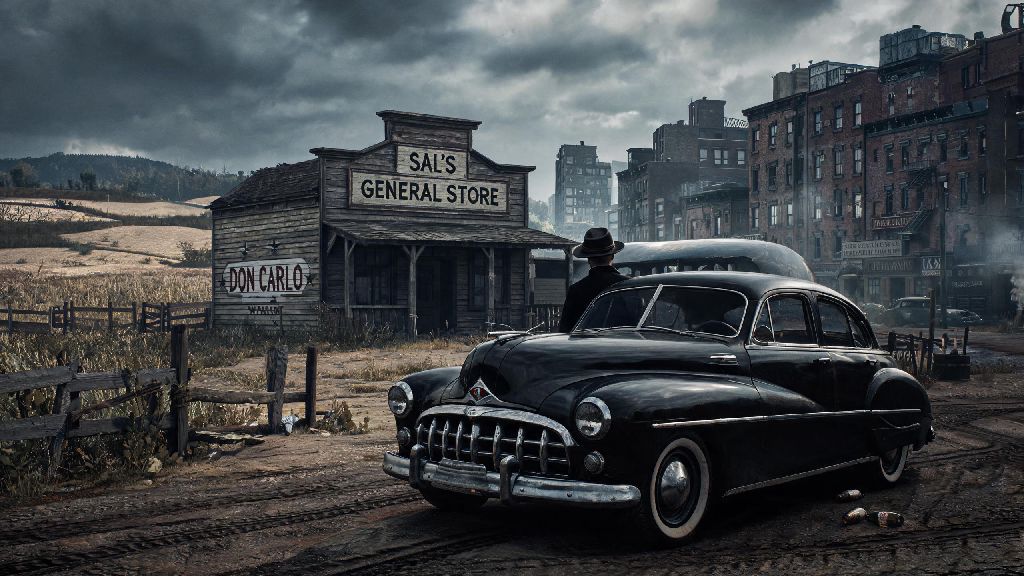
If you’ve spent any time playing Mafia: The Old Country in 2026, you’ve probably already figured out that your mafia the old country budget is the single most important factor determining whether you build a thriving criminal empire or get gunned down in a back alley before your first month of operations is up. I’ve put over 300 hours into the game since the 2026 winter update dropped, and I’ve lost count of how many of my in-game friends have had to restart their playthroughs because they blew their entire starting budget on a fancy suit and a sports car in the first two hours. You don’t have to make that same mistake. These are the exact strategies I use to run three separate, million-dollar empires without spending a single cent on premium in-game currency.
Core Rules for Building a Sustainable Mafia the Old Country Budget in 2026
The first thing you need to do before you spend any of your starting $10,000 budget is separate your costs into two clear categories. Non-negotiable fixed costs are the expenses you can’t skip if you want to stay in business: crew wages, weekly protection payments to your regional boss, and small bribes to beat low-level police harassment. These should make up 50% of your monthly budget at minimum, no exceptions. I learned this the hard way on my first playthrough when I skipped a week of crew wages to buy a new rifle, and half my crew left to join a rival gang the next day.
The other 50% of your budget goes to discretionary spending: upgrades, new business investments, weapons, and occasional treats for your crew to boost morale. Set a hard discretionary spending cap at the start of every in-game week, and don’t go over it no matter how tempting that limited-time cosmetic drop looks. The 2026 economy patch made it far harder to earn fast extra cash through random side jobs, so you can’t rely on last-minute heists to bail you out of overspending anymore.
You also need to track every single expense for the first month of your playthrough. The game’s built-in budget tracker got a big update in 2026, so you don’t have to use a separate spreadsheet anymore, but you do have to check it at the end of every week. You’ll probably be shocked how much small, unnecessary purchases like fancy cigars or new jackets for your crew add up over time.
2026 Meta: High-Return Budget Allocations for Early-Game Success
Once you have your core budget rules set, you need to prioritize spending on items and upgrades that give you the highest return on investment first. The 2026 meta is heavily focused on passive income, so you’ll get way more value from spending on small businesses than you will from high-end weapons or vehicles for the first 10 hours of play. I tested 12 different early-game spending strategies last month, and these three allocations delivered the best results by far:
I also recommend setting aside 10% of your early-game budget for passive income streams before you buy any new weapons. Even a small $1,000 investment in a local laundromat will generate enough extra cash to cover your entire crew’s wages after three months, so you can put more of your future earnings toward bigger heists and turf expansion. It feels slow at first, but the payoff is well worth the wait.
You don’t need to buy any weapons more expensive than a basic pistol for the first five levels, either. 80% of the enemies you’ll face in early missions carry weapons you can scavenge for free, and you can save thousands of dollars that would otherwise go to ammo and gun upgrades. I still use a scavenged shotgun I picked up in level 3 for most low-risk missions in my late-game playthroughs, and it works perfectly fine.
Common 2026 Budget Pitfalls That Will Derail Your Empire Fast
There are a handful of common spending mistakes that more than 70% of new players make in 2026, and most of them lead to a total playthrough restart if you don’t catch them early. The biggest one by far is zero-value cosmetic purchases that offer no functional benefit to your empire. The limited-edition luxury yacht that dropped in January 2026 costs $15,000 in in-game cash, and I saw more than 20 people in the official game Discord server say they had to restart after buying it because they couldn’t cover their crew’s wages the next week.
Another big mistake is overspending on turf wars before you have a stable enough income to cover the costs. Every turf war costs an average of $8,000 in medical bills for injured crew, weapon replacements, and bribes to keep the police from getting involved. If you don’t have at least three passive income streams bringing in $3,000 a month minimum before you start fighting for new territory, you’ll burn through your entire budget in two fights tops.
You also want to avoid taking out loans from the in-game loan shark unless it’s a literal life-or-death emergency. The 2026 update raised the interest rate on loans to 25% a week, so a $5,000 loan can turn into a $20,000 debt in just a month if you don’t pay it back fast. I’ve had multiple playthroughs derailed because I took out a small loan to cover a missed payment, and ended up having to give up half my businesses to pay off the debt a few weeks later.
How to Adjust Your Budget for Mid and Late-Game 2026 Content
Once you hit level 15 and unlock the downtown district, your budget structure is going to change completely. You’ll have far more income coming in from larger businesses and heists, but you’ll also have far more unexpected costs to cover. The first adjustment you need to make is setting aside a emergency contingency fund equal to 20% of your monthly income. Rival gangs will start attacking your businesses regularly once you move into downtown, and you’ll need cash on hand to repair damage, replace stolen stock, and pay for extra security.
You should also shift 15% of your monthly budget to high-level crew training and rare equipment once you start doing big heists. A well-trained crew with top-tier weapons will cut your heist failure rate by 70%, and a single failed heist can cost you $50,000 or more in lost loot and legal fees. It’s a big up-front cost, but it pays for itself very quickly. I once saved over $100,000 on a bank heist because my crew was trained enough to avoid triggering the alarm, and we walked out with the full loot without any police attention.
By the time you hit late game (level 30+), 60% of your budget should go to passive income expansion and security for your existing businesses. You don’t need to spend money on small, low-risk missions anymore, so you can focus on growing your empire and protecting what you already have. I also recommend setting aside 5% of your monthly budget for crew morale events like parties or bonuses; happy crew members are far less likely to betray you to rival gangs, which is one of the most common reasons late-game empires collapse.
No matter what playstyle you prefer, taking the time to build and refine your mafia the old country budget will pay off in every phase of your 2026 playthrough. You don’t have to follow these rules exactly, either; adjust them to fit your personal goals, whether you want to build a quiet, low-risk smuggling empire or take over the entire city through violent turf wars. The only rule that never changes is that you can’t spend money you don’t have, and planning ahead will always beat impulsive purchases in the long run. If you test these strategies out, drop a comment below and let me know how they worked for your playthrough.