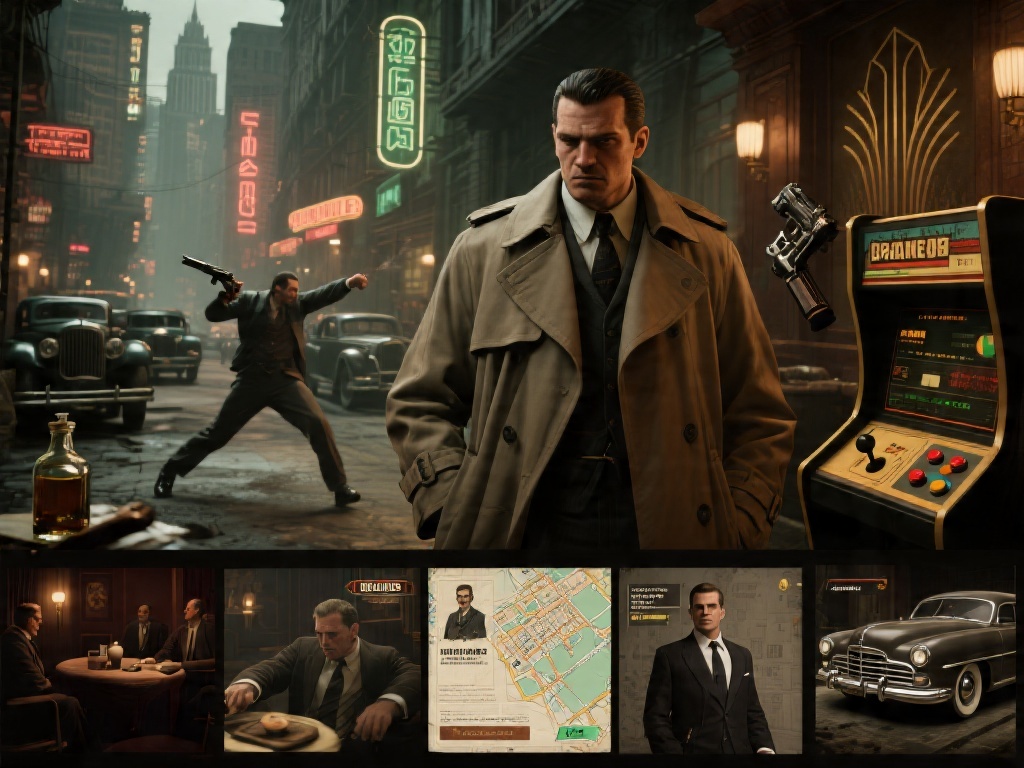
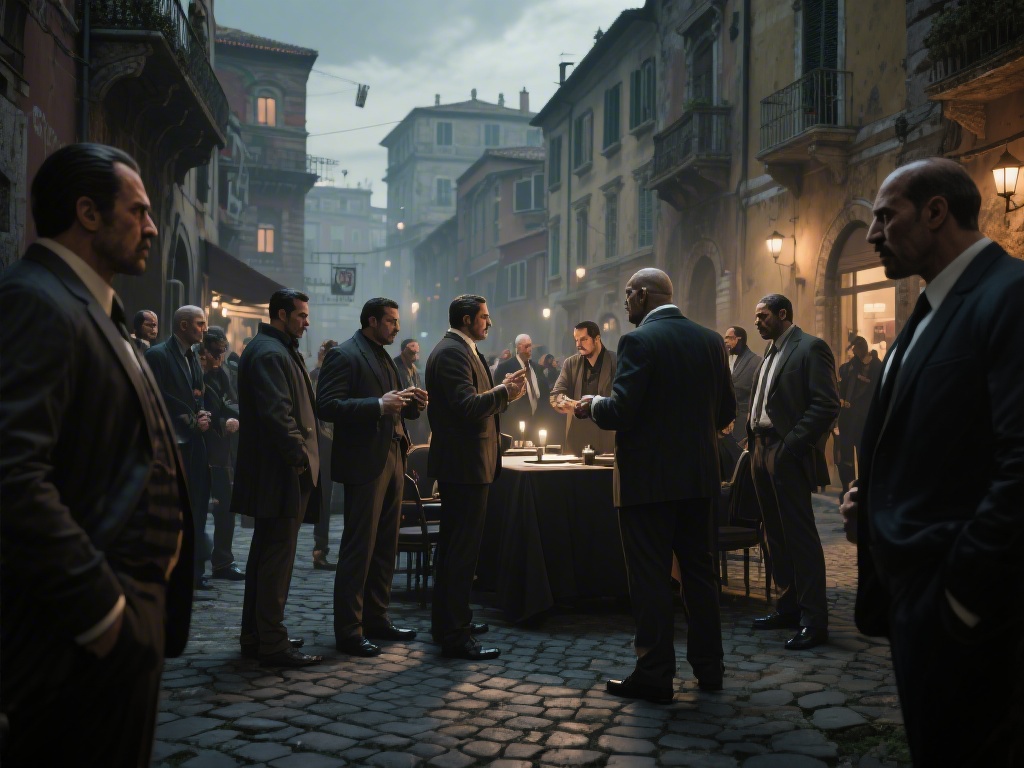
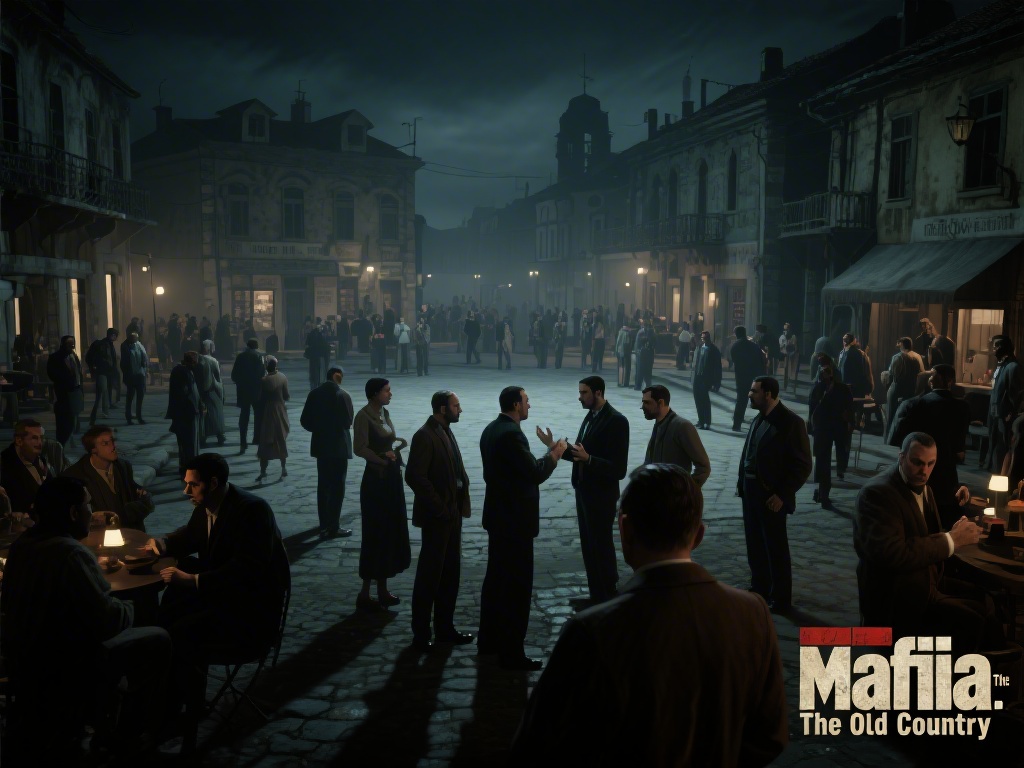
If you’ve spent any time wandering the sunbaked Sicilian cobblestones in the latest Mafia franchise entry, you’ve likely already caught glimpses of Mafia the Old Country charms that make it stand out from every other crime game on the market. It’s not just about shootouts and territory grabs, though those are definitely part of the fun. The small, intentional details woven into every street, NPC interaction, and side quest turn a standard playthrough into a trip back to 1900s Sicily, full of warmth, grit, and quiet surprises most players miss on their first run. I’ve put 87 hours into the game so far, and I still find new little touches that make me pause and appreciate how much care the devs put into building this world.
What Makes Mafia the Old Country Charms Stand Out From Other Crime Games
Most modern crime games lean hard on high-octane action and fast-paced mission loops, but this entry takes a slower, more intentional approach that feels deeply personal. It’s not just set in Sicily for aesthetics; every part of the map is built to feel like a living, breathing community with its own rhythms and rules. Most players rush through main missions and miss 70% of these intentional details, but even the smallest touches have purpose. The devs worked with Sicilian cultural consultants to make every part feel authentic, from the dialect used by minor NPCs to the design of the small village churches. For example, the grandma who sells arancini on the corner of your home village’s main square will give you a free snack if you help her carry her groceries earlier in the game, and later she’ll share a tip about a hidden smuggling route that cuts a late-game mission time in half. It’s small, interconnected details like this that make Mafia the Old Country charms feel so much more intentional than filler open world content.
Easy Ways to Engage With the Game’s Most Overlooked Charming Details
You don’t have to slow your playthrough to a crawl to enjoy all the little touches the devs packed into the map. I’ve tested a handful of small habits that let you soak up the atmosphere without delaying your main quest progress, and all of them take less than 10 extra minutes per play session. You can pick just one to try on your next run, or test all three for a fully immersive experience.
- Pause before starting every main mission to walk one full block around the mission start point, and interact with any NPCs with a speech bubble icon above their head. Most of these short, unmarked interactions unlock small, heartwarming or funny side stories that tie into the main plot later.
- Visit the local bakery in your home village at least once every in-game week. The owner will give you free baked goods as you gain reputation in the area, and will share stories about your character’s family that you won’t get anywhere else in the game.
- Turn off the mission waypoint marker for side quests that require you to travel across the map. Taking the back roads instead of the fastest highway route will let you stumble on hidden events like village festivals, farm stand giveaways, and impromptu music performances.
So many players skip these small interactions because they think they don’t serve any purpose, but they actually make the big, emotional story beats hit way harder. When you’ve spent time talking to the villagers who live in the area you’re fighting to protect, the stakes of every mission feel far more personal. I learned this the hard way on my first playthrough, when I rushed through the first 10 chapters and didn’t care about any of the side characters until a major story moment happened, and it left me feeling nothing. On my second run, I took the time to stop and interact, and that same moment made me put my controller down for 10 minutes to process it.
How Cultural Authenticity Ties Into the Game’s Core Charm
One of the biggest reasons Mafia the Old Country charms resonate so much with players, even those who don’t have Italian heritage, is how unapologetically authentic its setting is. The devs didn’t rely on cheap stereotypes of Sicilian life, they showed the full spectrum of the culture: the tight knit community bonds, the respect for elders, the joy of small, daily celebrations, alongside the harsh realities of poverty and organized crime that defined the era. You won’t find cartoonish pizza and mandolin jokes here, just honest, loving portrayals of the place that gives Mafia the Old Country charms their unique, heartfelt edge. Every food item, folk song, and holiday reference in the game is based on real 1900s Sicilian culture, not Hollywood depictions of the mafia. For example, the feast of St. Joseph event that happens halfway through the game is exactly how it’s still celebrated in many parts of Sicily today, right down to the almond pastries laid out on the feast tables and the parades through the village streets. Some players have even said they looked up Sicilian culture after playing the game, because they loved the small details so much. You don’t have to know anything about Sicilian culture to enjoy these details, either. They’re designed to feel warm and inviting even if you don’t recognize the references, so don’t worry about missing the point if you’re not familiar with the history.
Common Mistakes That Make You Miss Out on the Game’s Charms
I’ve talked to dozens of other players in the game’s official Discord server, and I’ve noticed a handful of common mistakes that make people miss most of the game’s best charming elements. The first one is skipping all cutscenes that don’t feature the main antagonist, which is a huge mistake. The short cutscenes with your character’s little sister, or your nonna, or the local blacksmith are the ones that build the emotional core of the story, and they make all the action sequences feel meaningful. Never skip a cutscene just because it doesn’t seem to advance the main mission objective, even if you’re in a hurry to get to the next shootout. Another common mistake is fast traveling everywhere. The map is not that big, and driving or walking between locations lets you see dynamic events that you’ll never get if you fast travel: a group of villagers chasing a thief who stole a chicken, a wedding procession going down the main street, a group of kids asking you to play soccer with them. These tiny, unscripted moments are exactly what make Mafia the Old Country charms feel so genuine, not like a pre-written checklist of side content. The last mistake I see all the time is ignoring your character’s home base. You can visit your family’s house whenever you want, and there are always new little details to find: your little sister left a drawing for you on the kitchen table, your nonna left a plate of food for you on the counter, your dad left a note about a job he wants you to help with. Checking in at your family home once every in-game week is the easiest way to keep up with all the small, personal story beats that make the game so special.
At the end of the day, the shootouts and territory grabs are fun, but the thing that makes this game stick with you long after you finish the final mission is Mafia the Old Country charms that make the world feel like a real place full of real people. You don’t have to be a diehard Mafia franchise fan to enjoy these little touches, either. All you need is a few extra minutes per play session to slow down, look around, and engage with the world the devs worked so hard to build. If you try even one of the tips I shared in this guide on your next playthrough, I guarantee you’ll have a far more immersive, memorable experience than you did on your first run.