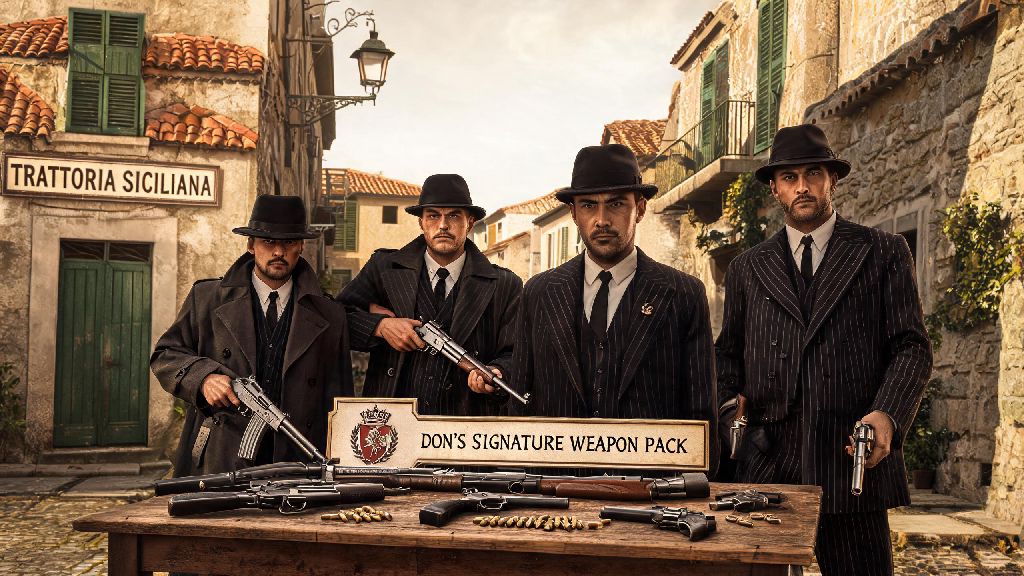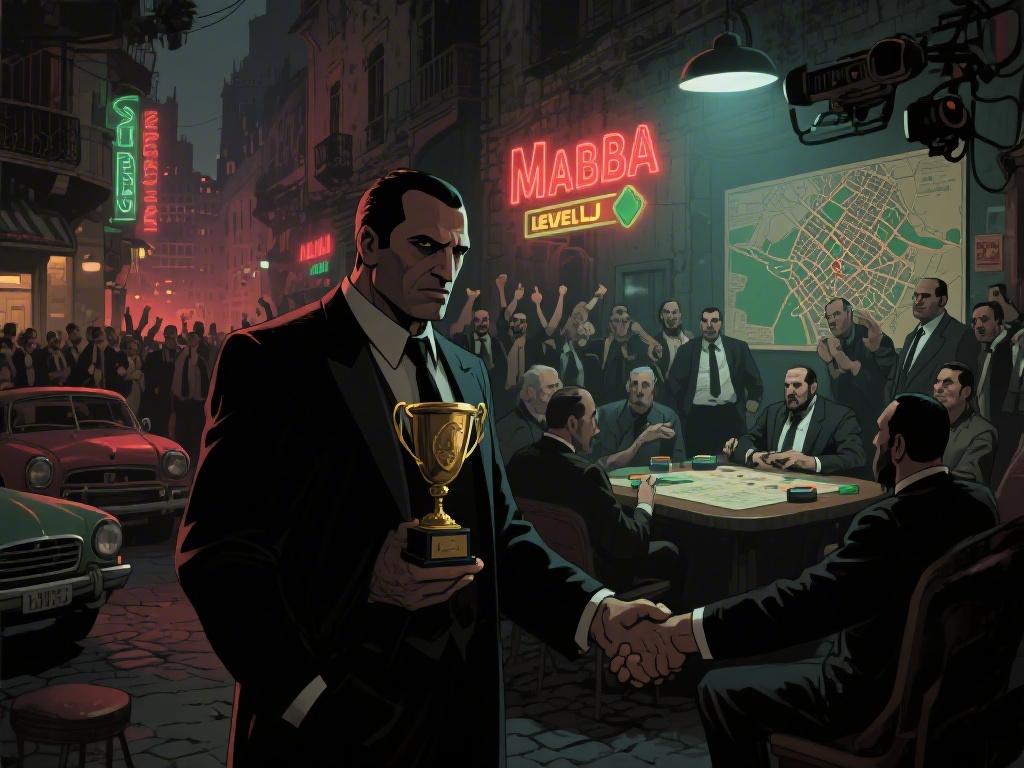
If you’ve played any entry in the long-running Mafia franchise, you know the game’s setting is just as important as its core crime story. The gritty, lived-in worlds of past Mafia titles have always felt like characters themselves, and the latest entry is no exception. If you’re wondering where is Mafia the Old Country set, you’re not alone--thousands of fans have been parsing trailer clues and dev interviews to get the full picture of the game’s backdrop long after launch. This guide breaks down everything you need to know about the setting, from its canonical location to its real-world roots and hidden easter eggs.
Where is Mafia the Old Country Set? Core Canon Location Revealed
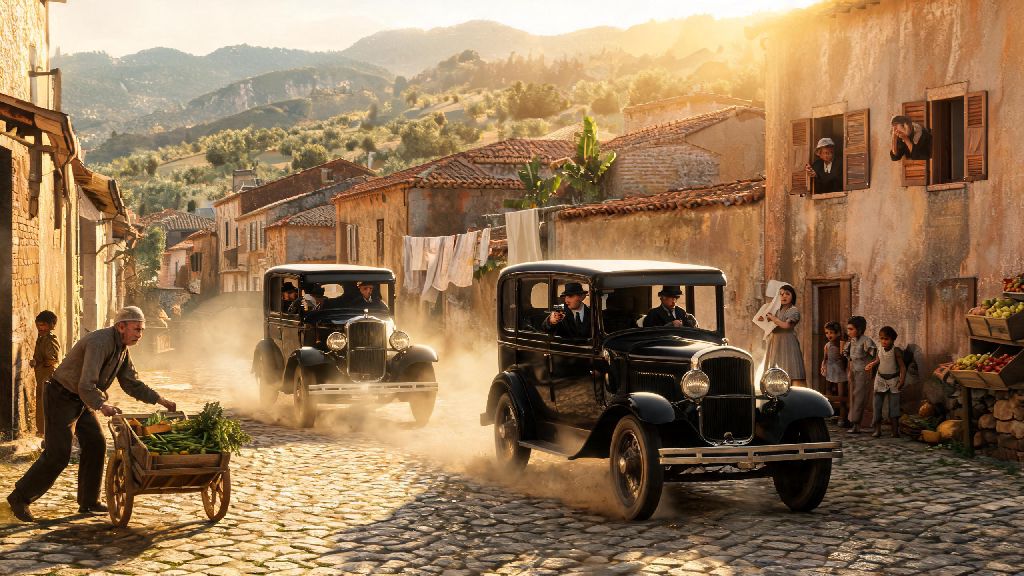
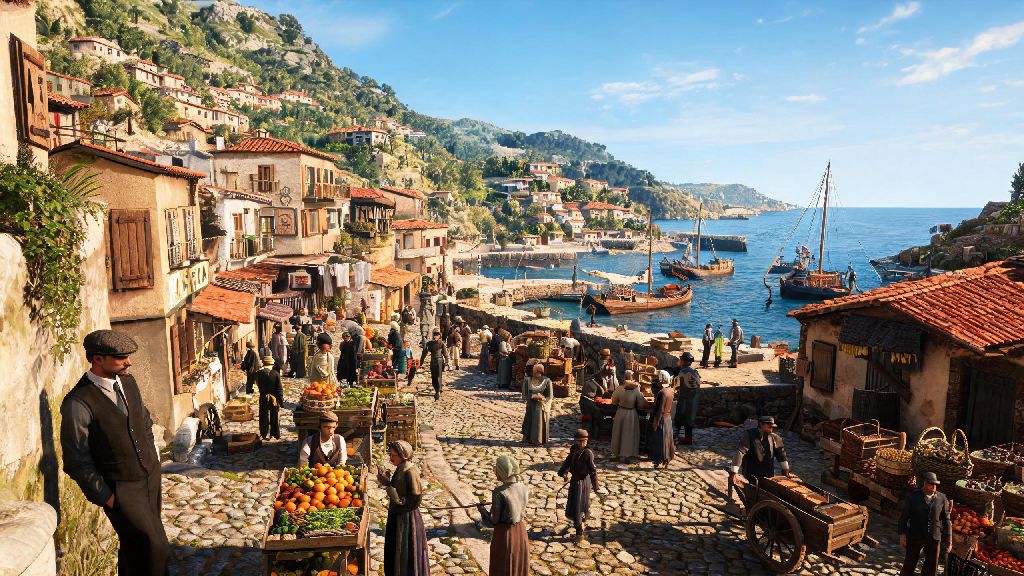
Officially, the game is set in Spara, a fictional 28-square-mile Mediterranean island that exists in the same shared universe as the Mafia franchise’s other classic locations like Lost Heaven and Empire Bay. The story takes place between 1905 and 1921, a period of massive social upheaval, rising organized crime, and mass emigration from Southern Europe to the United States. Spara’s core map spans roughly 28 square miles, making it the largest open world in the entire Mafia franchise to date. The island is split into four distinct regions: a bustling coastal port town, a remote mountain village nestled in volcanic hills, sprawling rural vineyards and olive groves, and a set of crumbling medieval castle ruins on the rocky northern coast. You won’t find Spara on any real world map, but you’ll immediately recognize its cultural and geographic ties to a very real part of Europe.
Real-World Inspirations Behind the Game’s Setting
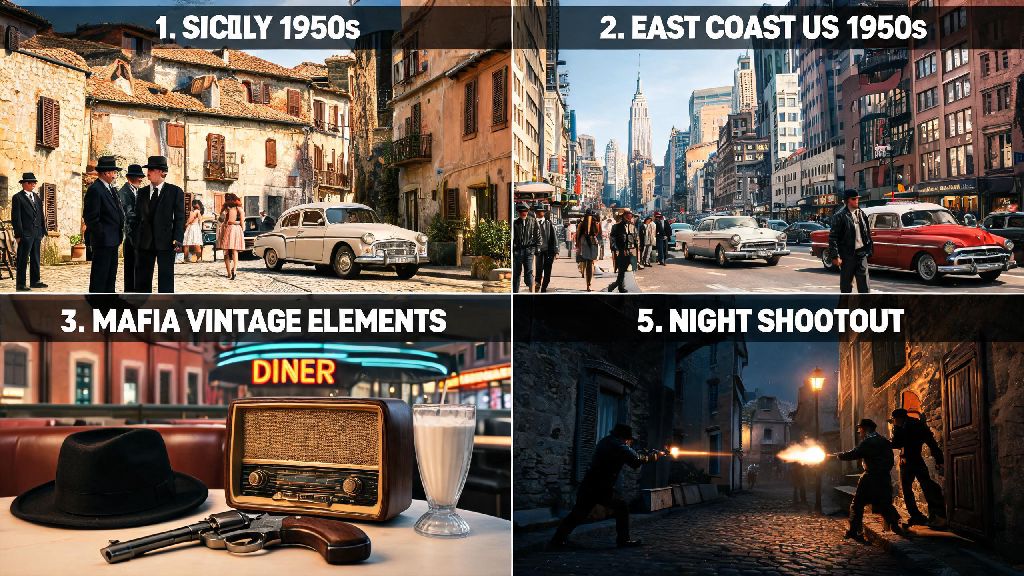
Devs have openly confirmed that Spara is heavily, almost exclusively, inspired by Sicily, the largest island in the Mediterranean and the historic birthplace of the real-world mafia. The team spent three weeks traveling across 12 small Sicilian villages in 2022 to capture reference photos, record local sounds, and even interview older residents about life in the region in the early 1900s. Devs visited 12 small Sicilian villages over 3 weeks to capture authentic architecture, food stalls, and even local dialect phrases for NPC dialogue. Even if you’ve never been to Sicily, you’ll immediately recognize the cultural touches that answer the question of where is Mafia the Old Country set as soon as you load into the first mission. All of the produce sold at the market stalls is native to Sicily, including lemons, olives, and pistachios that grow in the island’s volcanic soil. The narrow, winding alleyways of the port town are direct copies of streets in Palermo’s old town, and the mountain region’s landscape is modeled directly after the slopes of Mount Etna, Europe’s most active volcano. I visited a small Sicilian fishing village a few years back, and I was shocked by how accurate the little details are, from the color of the fishing boats to the way locals hang laundry between second-story windows.
How the Setting Shapes Gameplay and Story Beats
Every part of the main story is tied directly to where is Mafia the Old Country set, because the island’s isolated location means clan conflicts stay contained, but tensions run much higher than they would in a big mainland city. The island’s position as a key trade hub between Europe and North Africa makes it a perfect spot for smuggling operations, which form the backbone of most main story missions. The setting doesn’t just drive the plot, either--it impacts almost every part of moment-to-moment gameplay too. Some of the most notable gameplay ties to Spara’s geography include:
You can’t fast travel across the island until you unlock safe houses in each region, which encourages you to explore every corner of Spara as you progress through the story. That might feel frustrating at first, but it’s a deliberate choice that helps you get familiar with every part of the map, so you know exactly which routes to take when you’re running from rival gang members or local police. The isolated setting also means there’s no way to escape the island if you get on the wrong side of a powerful clan, so every choice you make has real, long-term consequences for your standing across all four regions.
Hidden Setting Details Most Players Miss
Most players rush through the main story missions and never take the time to explore the smaller, more intimate details of Spara that make the setting feel so alive. For example, if you walk through the mountain village on a Sunday morning, you’ll find most shops closed and almost all of the local NPCs gathered for mass at the village church. If you visit the old church in the central mountain village on Sunday mornings, you’ll catch a full mass service in Sicilian dialect, a detail 90% of players never stumble across. There are also dozens of small easter eggs tied to Sicily’s real history scattered across the map. The crumbling castle ruins on the northern coast are modeled after a real 12th-century Norman castle in western Sicily, and you can find hidden letters in the castle walls that reference real historical conflicts between Norman rulers and local Sicilian clans. There’s also a small hidden cave on the eastern coast with ancient Greek carvings, a nod to the Greek colonization of Sicily that took place over 2,000 years ago. If you’re a lore fan, skip the car for an hour or two and walk through the smaller village streets--you’ll find tiny details like homemade cannoli being sold on street corners, kids playing soccer in empty lots, and old men playing cards outside local taverns that make the world feel far more real than most open world crime games.
If you were asking where is Mafia the Old Country set, you now know it’s a fictional Mediterranean island rooted deep in real Sicilian history, culture, and geography. The devs didn’t just throw together a generic crime backdrop--they spent years researching and building a world that feels lived-in, authentic, and tied directly to the game’s core story and gameplay mechanics. I’ve sunk over 40 hours into the game so far, and I still find new little setting details every time I log on. Next time you load up the game, take 20 minutes off from the main story missions to drive around the island and explore the areas you haven’t visited yet. You’ll find hidden side quests, fun easter eggs, and a deeper appreciation for how much work went into building Spara.