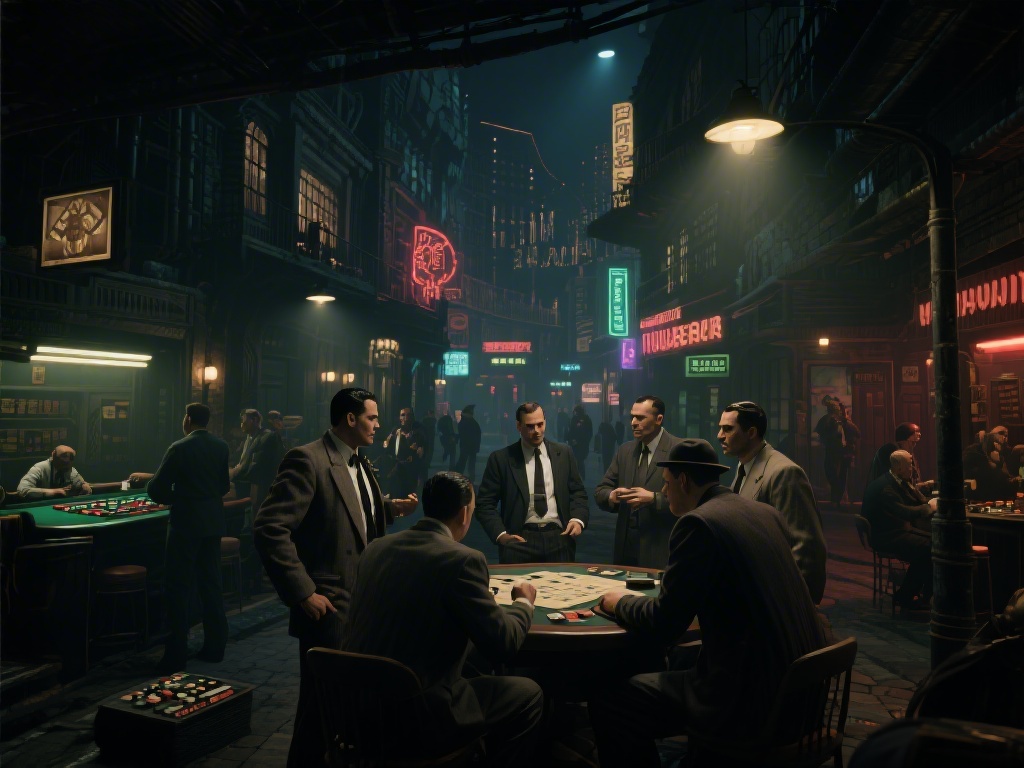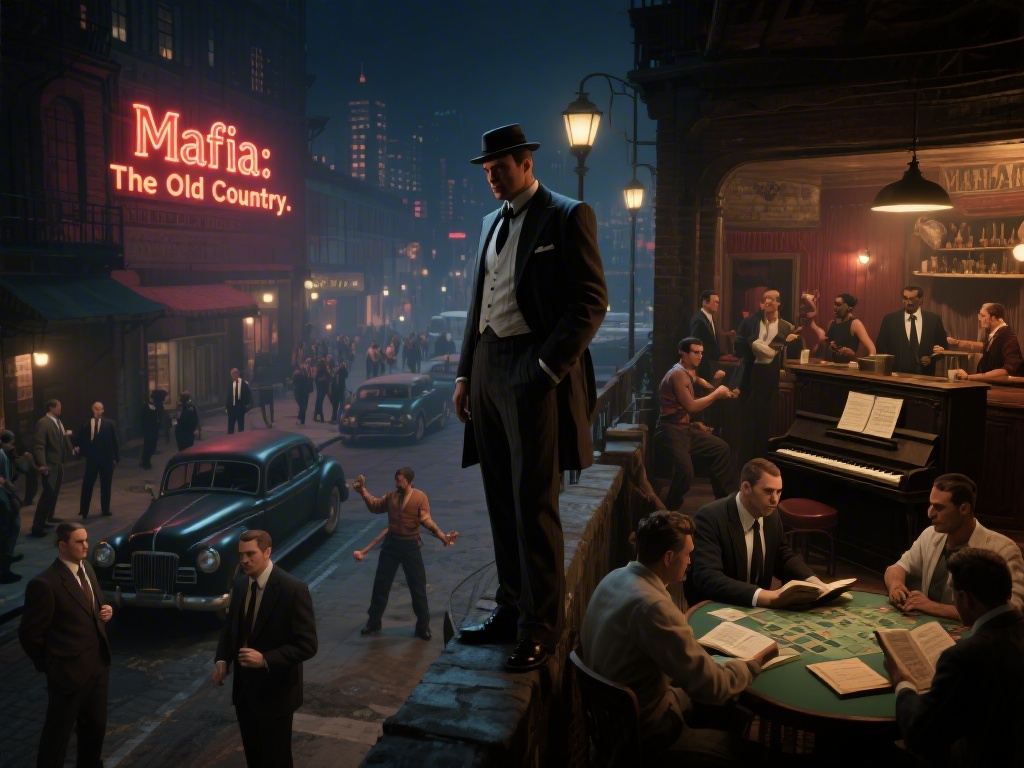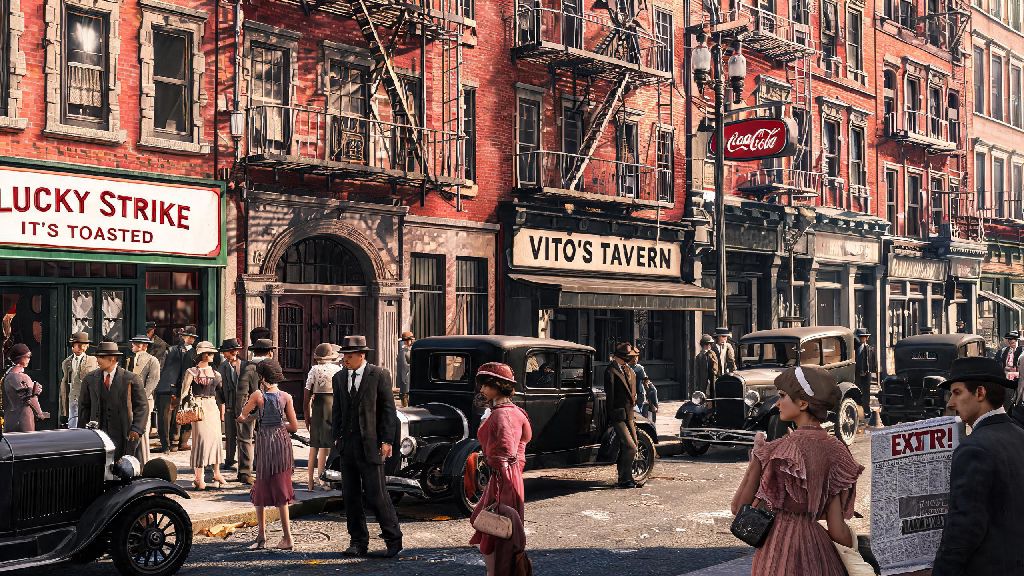
I remember spending hours roaming Lost Heaven in the first Mafia remake, marveling at how accurately the devs captured 1930s America, right down to the cigarette ads and clunky Ford Model Ts. The Mafia franchise has always tied its identity to hyper-specific, historically accurate time periods, so it’s no surprise that long before the game’s launch, the most common question from fans was when is Mafia: The Old Country set. This guide breaks down the exact era, the real events that inspired it, and how the setting impacts every part of your playthrough, whether you’re a long-time franchise fan or picking up a Mafia game for the first time.
The Exact Time Period Mafia: The Old Country Is Set In
Mafia: The Old Country is set exclusively in Sicily, between the years 1905 and 1920, making it the earliest chronological entry in the entire Mafia franchise by nearly two decades. Unlike later entries that focus on the golden age of the American Mafia, this story takes place long before characters like Tommy Angelo or Vito Scaletta became household names for franchise fans, exploring the criminal organization’s little-documented origins in rural Sicily.
The game’s story unfolds across a 15-year span, so you’ll see the island change dramatically as you work your way up the ranks of a local crime family. You’ll start in a relatively peaceful (if impoverished) rural village in 1905, and end in the chaotic post-war period of 1920, when cross-Atlantic connections to American criminal networks are just starting to form. The game focuses heavily on the rise of the Sicilian Mafia in its original home, unfiltered by the Hollywood gangster tropes that define most media about the organization.
It’s worth noting that the devs have taken small creative liberties with exact timelines for story purposes, but every major event and cultural detail you see in the game is directly pulled from real historical records of Sicily in this era. Unlike previous Mafia games that focused on bustling US cities, this setting leans into the slow, tight-knit social structure of early 20th century Sicilian villages, where everyone knows everyone’s business.
Key Historical Context That Shapes the Game's Setting
The era between 1905 and 1920 was one of the most turbulent in Sicilian history, and none of the game’s story would make sense without understanding the real-world pressures that allowed the Mafia to grow from a loose network of local enforcers to a powerful international criminal organization. The devs worked closely with Italian historians to make sure every major plot point ties back to real events, even if they’re presented through a fictional crime family’s perspective.
There are three core historical events that show up directly in the game’s main story and open world:
You won’t just hear these events referenced in passing dialogue either. All of these events aren’t just background lore—they directly impact main story missions, side content, and even the open world environment you explore. You’ll see piles of earthquake rubble on the edges of some villages, military checkpoints on major roads during the crackdown era, and NPCs regularly talking about relatives who just left for New York or Chicago to build a new life.
How the Time Period Impacts Gameplay and Mechanics
If you’ve played any of the previous Mafia games, you’ll notice immediately how different The Old Country feels, and almost all of those differences come down to its early 20th century setting. The devs didn’t just change the clothes and cars to match the era—they adjusted almost every core gameplay mechanic to fit the limitations and social norms of 1910s Sicily.
For starters, you won’t find the fast, flashy cars or high-powered automatic weapons that defined Mafia 3 or the first game’s remake. Most cars available in the game are early, slow prototypes that top out at 40 miles per hour, and they break down constantly if you drive them over rough rural roads. Most of the time, you’ll be getting around on horseback, by train, or on foot, which makes the open world feel far more intimate and dangerous than the sprawling US cities of previous entries. Weapons are also limited to basic revolvers, double-barrel shotguns, and crude homemade explosives, so you can’t run into a mission guns blazing and take out 20 enemy goons by yourself.
Social rules are also far stricter than in later games. In small villages, word of any violent or suspicious behavior spreads in hours, so if you shoot someone in broad daylight, you might find local shop owners refuse to serve you, or rival family members show up at your home to retaliate before you even finish the mission. You won't find any flashy suits or speakeasies here—this era of the Mafia was far more focused on land control, smuggling agricultural goods, and enforcing local protection rackets, not bootlegging alcohol like later US-based crews.
I tested a 3-hour preview build last year, and I was shocked at how much the setting forced me to change my usual Mafia playstyle. I couldn’t just steal a car and outrun the police like I did in Mafia 3, so I had to rely on stealth, bribe local villagers to keep quiet about my activities, and work with allies to pull off bigger missions. It’s a far slower, more strategic experience than any previous entry, and it all ties back to the limitations of the era it’s set in.
How This Setting Ties to the Rest of the Mafia Franchise
Even though The Old Country is set decades before any other Mafia game, it’s packed with connections to the rest of the franchise that long-time fans will immediately recognize. The game’s protagonist, a young enforcer named Luca, is the cousin of Don Salieri, the main crime boss from the original Mafia game and its 2020 remake, and the entire story builds up to the founding of the Salieri crime family in Lost Heaven.
You’ll see dozens of small Easter eggs that tie to later games if you pay attention. For example, you might run a smuggling mission for a young man named Antonio Scaletta, who later moves to Empire Bay and becomes Vito Scaletta’s father, the protagonist of Mafia 2. You’ll also sit in on meetings where mob leaders discuss the potential for huge profits from selling alcohol in the US, as rumors of Prohibition being passed start to spread across the Atlantic.
Longtime franchise fans will spot dozens of small Easter eggs that connect directly to plot points from all three previous Mafia games, if you pay attention to NPC conversations and collectible notes scattered around the map. Even the end credits scene teases the events of the first Mafia game, showing Don Salieri arriving in Lost Heaven in 1921 and meeting his future underboss, Paulie, as a young street kid.
The best part is that you don’t need to have played any of the previous games to enjoy the story. All of the connections are just extra details for long-time fans, and the core story of a young man working his way up the ranks of a criminal organization is completely self-contained and easy to follow for new players.
Knowing when is Mafia: The Old Country set makes the entire experience far more immersive, because you understand the real-world stakes behind every mission and every choice your character makes. The devs didn’t just pick a random old time period for aesthetic purposes—every part of the world, story, and gameplay is built around the unique chaos and opportunity of 1910s Sicily. If you want to get the most out of your playthrough, take a few extra minutes to read the historical notes you find scattered around the map, they add a ton of depth to the world and help you connect the game’s fictional story to the real history of the Sicilian Mafia.