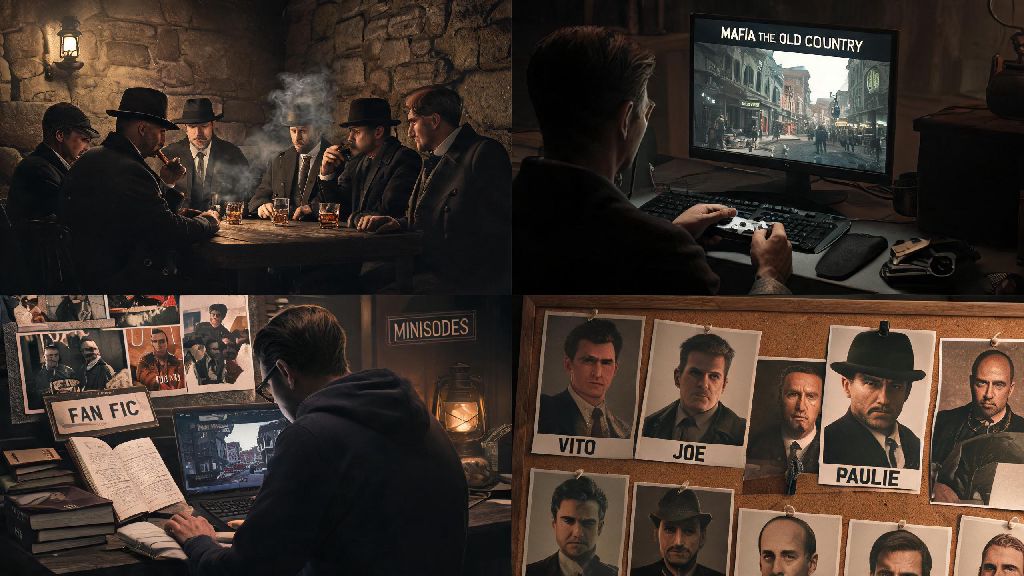
If you’ve binged every 2026 crime drama release or replayed the cult favorite Mafia: The Old Country game half a dozen times, you’ve probably noticed recurring narrative beats that feel familiar even when the plot twists catch you off guard. Those beats are exactly what we’re breaking down today, as we walk through the most iconic mafia the old country tv tropes that define the franchise and its adjacent media. I’ve spent the last three months dissecting every piece of official content, fan fiction, and adapted minisode released this year to pull out the tropes that work, the ones that feel overdone, and how you can spot them before they even play out on screen or in your playthrough. Don’t worry, we’re skipping the obvious clichés you already know, and focusing on the nuanced, franchise-specific tropes that make this universe feel so lived-in.
Core Mafia The Old Country TV Tropes That Define the Franchise’s Tone
These tropes are the backbone of every official and fan-made piece of content in the universe, and they’re the reason the franchise has such a loyal, consistent fanbase 12 years after its initial launch. You’ll recognize the immigrant family loyalty conflict first: every lead character is a first or second-generation immigrant forced to choose between their biological family’s expectations and their loyalty to the crime family that lifted them out of poverty. You’ll also see the small-town secret hiding in plain sight trope in almost every arc, where the quiet, postcard-perfect rural village in Sicily that characters visit is entirely run by the local mafia, with no local police willing to interfere. The most beloved core tropes are so widely recognized that fans will call them out in comment sections seconds after they appear on screen:
So many new writers for the 2026 spin-off shows try to subvert these tropes to seem original, but they almost always get pushback from fans. That’s because these tropes aren’t just lazy clichés, they’re core parts of the world that audiences have grown to trust to deliver the specific gritty, nostalgic tone they come to the franchise for. You don’t watch a Mafia The Old Country property if you want a totally unpredictable crime story, you watch it to see how these familiar beats play out with new characters.
How 2026 Writers Are Subverting Overused Tropes Without Alienating Fans
That doesn’t mean tropes can’t be tweaked to feel fresh, of course. A handful of tropes got run into the ground in 2024 and 2025 releases, so 2026 creators have been experimenting with small changes to keep long-time fans on their toes. For example, the Sunday dinner double cross we mentioned earlier? One of the 2026 minisodes had the dinner go off without a hitch, only for the double cross to happen at the funeral the next day. It still felt true to the universe, but caught everyone off guard. The "dead" sibling return trope that was way overused in 2025 has also gotten a glow-up this year, with writers making the returning sibling a neutral party instead of an automatic villain. You can find a full breakdown of 2026’s most well-received trope subversions on the official franchise fan forum, complete with community voting scores for each new take.
But writers have to walk a fine line. If they stray too far from the core tropes, fans will write off the content as non-canon. Last quarter, a fan-made web series tried to remove all family-focused tropes entirely, and its viewership dropped 60% after the first two episodes. It’s not that fans hate new ideas, they just want those ideas to fit the world they already love. A good rule of thumb for creators is to change the details of a trope, not the core emotional beat that makes it resonate with audiences.
The Most Underrated Tropes That Add Hidden Depth to Storylines
Not all tropes are obvious, and some of the best ones are so subtle you might miss them on your first watch or playthrough. The faded family photo trope is one of my personal favorites: if a character has a cracked or faded photo of their family from the old country hanging in their home, it means they’re going to betray the mafia to protect their living relatives before the end of the arc. It’s a small detail, but it adds so much foreshadowing that rewards repeat viewings, and it gives fans a fun easter egg to hunt for.
Another underrated one is the broken radio trope: if a car radio cuts out right as a character is about to share important information, it means they’re being followed, and their car has been bugged. I didn’t even notice this one until my third playthrough of the 2026 game update, and now I spot it every single time. These small, subtle tropes are what make the franchise feel so carefully crafted, instead of just a collection of generic crime story beats. They also give fans something to discuss and debate between new releases, which keeps the community active and engaged.
Tips for Using These Tropes in Your Own Fan Content
If you’re someone who writes fan fiction, makes fan edits, or runs tabletop RPG campaigns set in the Mafia The Old Country universe, you can use these tropes to make your content feel more authentic, without coming off as unoriginal. First, don’t force every trope into one piece of content. Pick 2 or 3 core tropes to build your story around, and tweak the rest to fit your specific characters. For example, if your main character is a young member of the mafia who doesn’t care about family loyalty, you can skip the godparent’s unbreakable vow trope entirely, and lean into the rotten produce signal or broken radio tropes instead.
You also don’t have to follow the tropes exactly. You can have the faded family photo belong to a side character who betrays the lead instead of leaving the mafia, as long as you set up their motivation clearly. The biggest mistake new fan creators make is copying tropes beat for beat without adding their own twist. That makes your content feel generic, and it won’t stand out from the hundreds of other fan pieces released every month. Also, make sure you avoid the tropes that the 2026 community has voted as overdone: the fake death of the main character, the corrupt cop who’s secretly a good guy, and the love interest who gets fridged to motivate the lead. These tropes have been done to death, and most fans will scroll right past content that uses them unironically.
At the end of the day, mafia the old country tv tropes are more than just narrative shortcuts. They’re a shared language between creators and fans, a set of unwritten rules that make the universe feel cohesive and familiar even when new stories are released every month. 2026 has brought some really fun new takes on these classic tropes, and it’s exciting to see how creators will continue to play with them in the years ahead. Next time you sit down to play the game or watch a new spin-off episode, keep an eye out for the tropes we talked about today. You might be surprised how many you spot, and how much more depth they add to the story once you know what to look for.