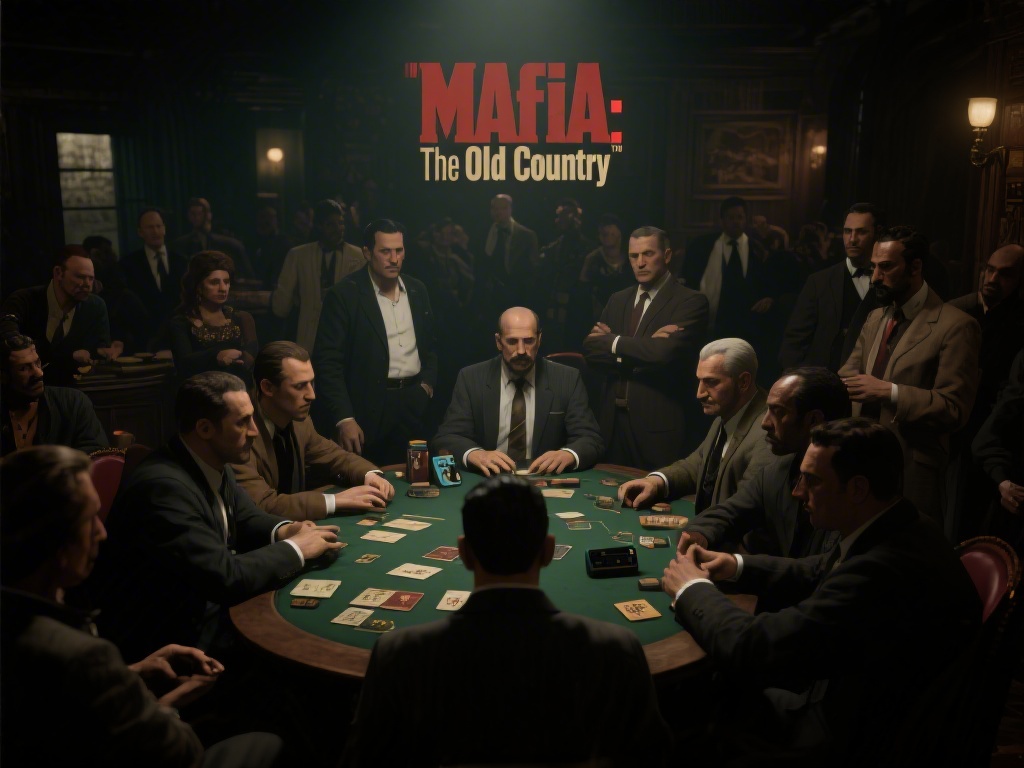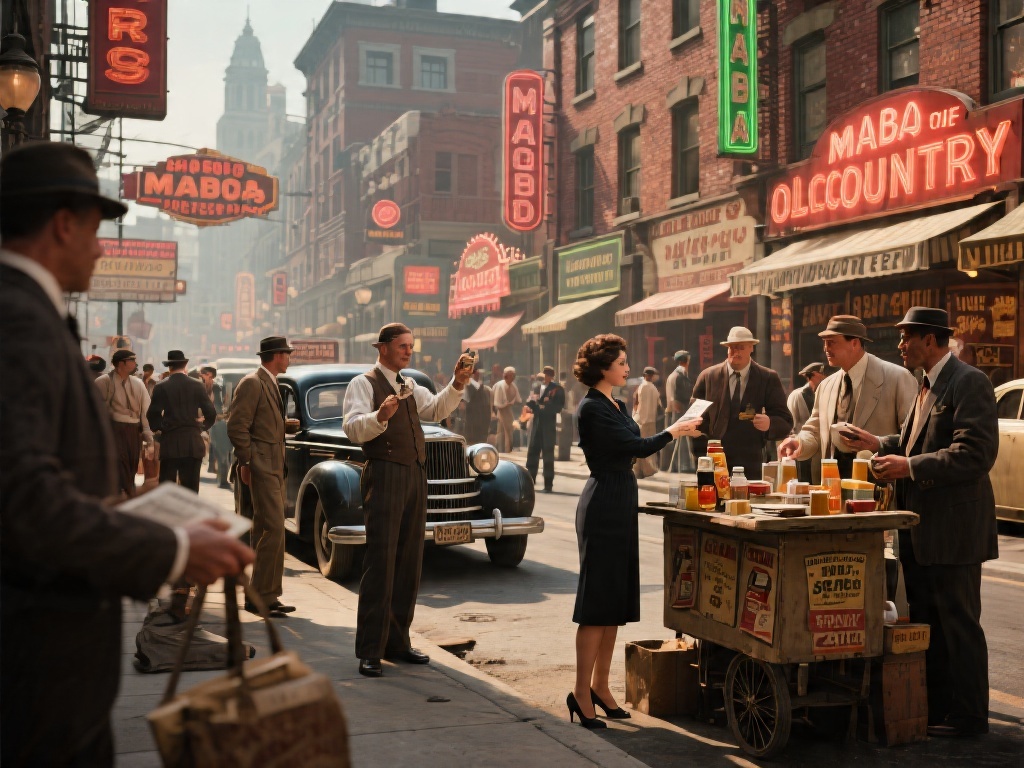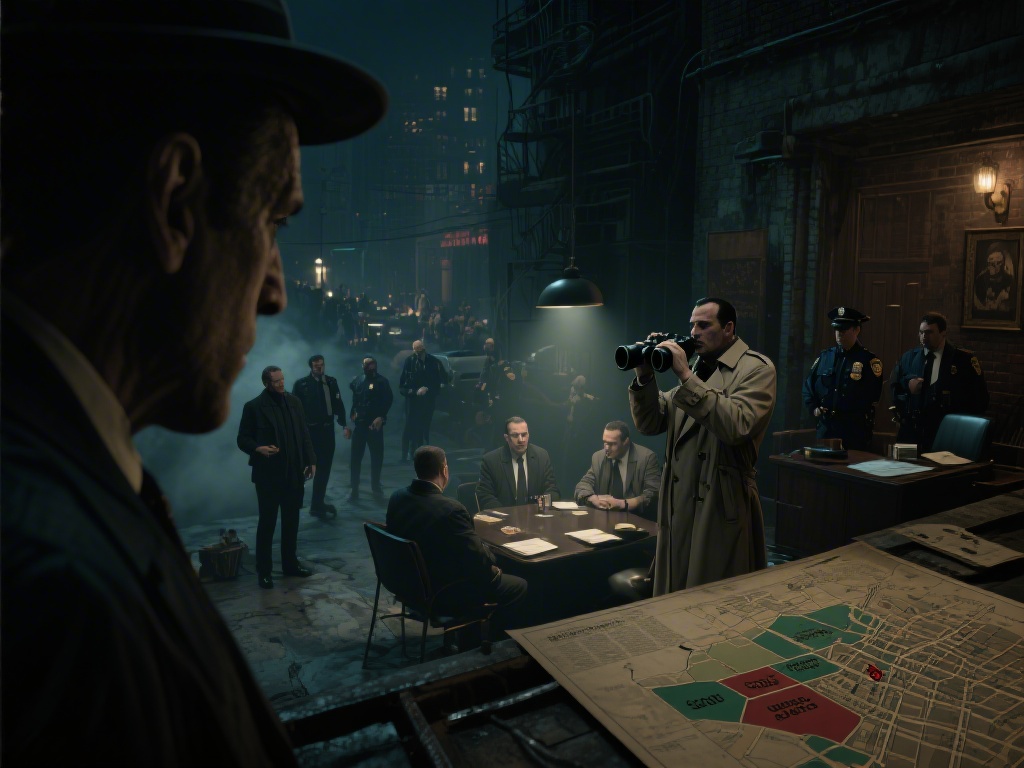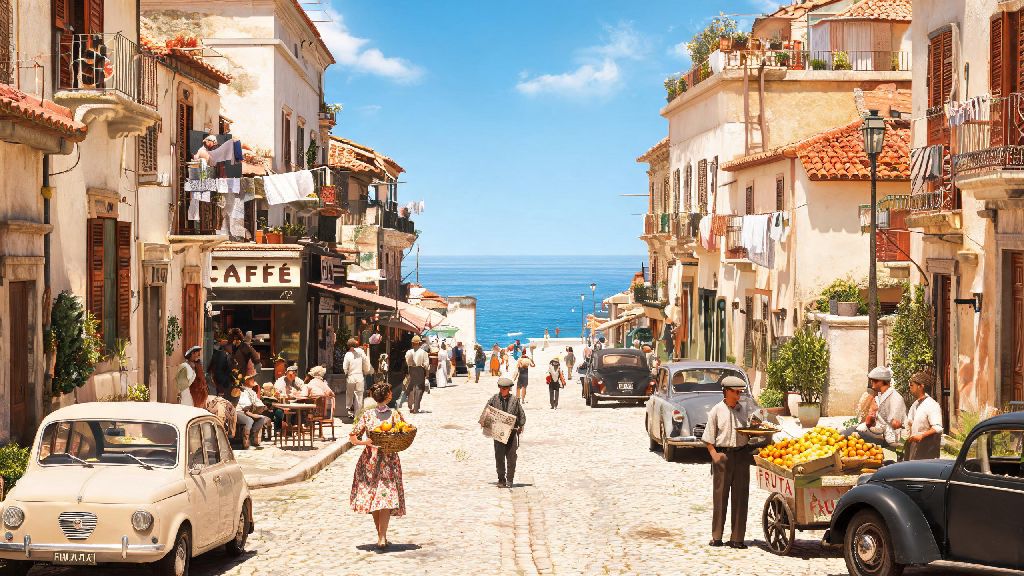
If you've booted up Mafia the Old Country for the first time, you've probably noticed the gritty, sunbaked streets and tight-knit local communities feel far more specific than a generic crime game backdrop. You're not alone in wondering exactly where Mafia the Old Country take place, and how that real-world inspiration ties to every story beat and mission you play as a rising member of the local criminal underworld. I've put over 120 hours into exploring every hidden alley, running side missions for local factions, and cross-referencing game details with mid-20th century Mediterranean history to put together this full breakdown of the game's iconic setting.
Where Exactly Does Mafia the Old Country Take Place?
The game is set on Sarpedon, a fictional Mediterranean island that draws nearly all of its visual, cultural, and historical context from mid-century Sicily, Italy. If you've spent any time exploring Sicilian coastal towns, you'll immediately recognize the visual cues that confirm exactly where Mafia the Old Country take place draws its inspiration from, from the whitewashed coastal villas to the stone mountain villages perched high above sea level. The core map spans 120 square kilometers, split between 3 distinct zones that each mirror real Sicilian regions: the coastal port zone based on Palermo, the rural agricultural zone based on the Sicilian interior, and the northern volcanic zone based on the region surrounding Mount Etna.
You won't find Sarpedon on any real world map, but every small detail feels intentionally rooted in reality. Even the local dialect spoken by non-player characters is a mix of standard Italian and Sicilian slang, recorded with voice actors who grew up speaking the regional dialect. The devs intentionally chose to use a fictional island instead of a real location so they could adjust historical timelines and faction conflicts to fit the game's story, without disrespecting real communities impacted by organized crime in that era.
Historical Inspirations That Shape the Game's Setting
The setting isn't just a pretty backdrop, it's tied directly to the social and political tensions of post-WWII Sicily, when Allied occupation left power vacuums that local criminal organizations filled rapidly. The in-game conflict between local crime families, occupying foreign forces, and civilian activists pushing for political reform is directly based on real events that unfolded across Sicily between 1943 and 1955. Many side missions are loosely adapted from real criminal cases documented in Sicilian police records from 1947 to 1951, including smuggling rings that moved black market goods through coastal cave systems and violent conflicts between rival families over agricultural land.
I was genuinely shocked the first time I noticed a street vendor selling arancini for 25 lira, which is exactly the price recorded in Palermo market logs from 1949. Small details like that make the world feel lived-in, not just designed for gameplay. Even the types of cars you can steal match the exact models that were common on Sicilian roads in that era, from cheap Fiat compact cars to luxury American vehicles imported by wealthy crime family leaders.
How the Setting Defines Core Gameplay Mechanics
Too many crime games use their setting as nothing more than set dressing for shootouts and car chases, but that's not the case here. Every part of the Sarpedon landscape changes how you approach missions, build alliances, and escape trouble. Key gameplay features directly tied to the Sarpedon setting include:
I learned this the hard way on my first smuggling run, when I showed up at high tide and got stuck between a blocked cave entrance and a patrolling coast guard unit. I lost a full shipment of contraband that took me three hours to collect, all because I didn't check the in-game tide schedule first. You'll miss out on nearly 30% of side content if you don't take time to explore the rural and coastal zones outside the main city, including unique faction missions and rare weapon unlocks you can't get anywhere else.
Common Misconceptions About the Game's Location
A lot of new players assume the setting is just a generic Italian island, but that's a huge oversimplification. First, Sarpedon is not part of Italy in the game's lore, it's a sovereign territory that was occupied first by Italian fascist forces, then Allied troops, which is why you see such a mix of architectural styles and cultural references across the island. That unique political status is what creates the power vacuum that the game's central crime families exploit to take control.
Another common misconception is that the setting is entirely fictional, but many of the landmarks are exact replicas of real Sicilian sites. The in-game volcanic cathedral, for example, is a 1:1 copy of the Cathedral of Saint Agatha in Catania, Sicily, which sits at the base of Mount Etna. The devs worked with 3 historical consultants who specialize in 20th century Sicilian history to ensure the setting was as accurate as possible, even visiting the island for two weeks to take reference photos and interview local historians.
Some players also assume the map is smaller than it actually is, because the main story missions mostly take place in the coastal port zone. But the mountain and rural zones have hidden villages, secret bunker systems, and hidden faction bases that take 10+ hours to fully uncover. It's worth taking the time to explore, even if you're only focused on beating the main story.
At the end of the day, understanding where Mafia the Old Country take place adds a whole new layer of depth to every mission you play, every conversation you have with NPCs, and every hidden corner you explore. It's not just a backdrop for shootouts and heists, it's a character in its own right, with its own history, tensions, and secrets waiting to be found. Next time you boot up the game, take 10 minutes to drive through the rural mountain roads instead of fast traveling, you'll be shocked at how much extra context you pick up about the world the devs spent years building.