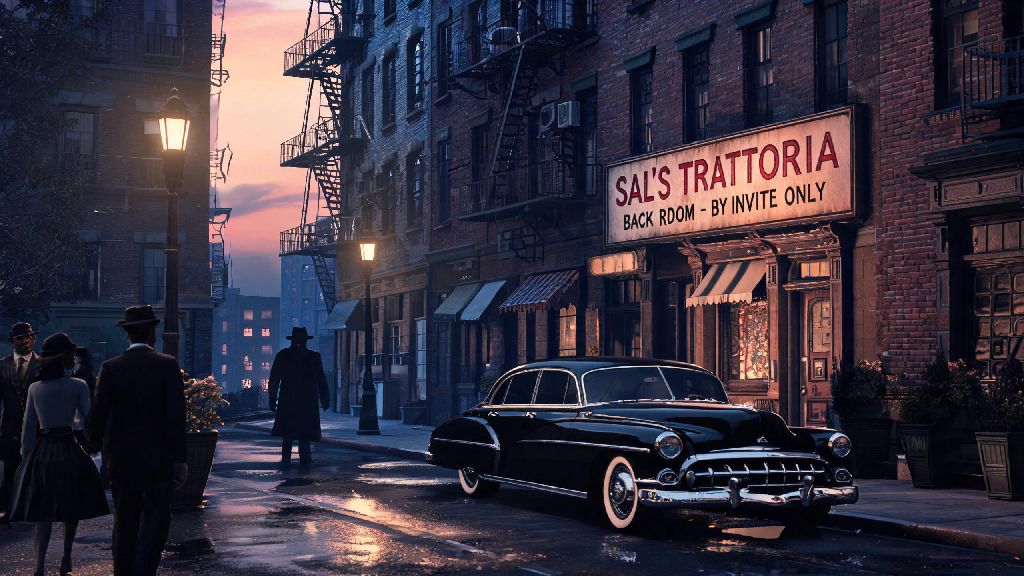
If you’ve ever stared at the title screen of Mafia: The Old Country for minutes before hitting play, you’ve probably wondered what exactly the mafia the old country cover art is trying to tell you beyond just a pretty promotional image. Most players gloss over cover art as nothing more than marketing fluff, but the team behind the Mafia franchise has a long history of packing every promotional asset with tiny, meaningful details that tie directly to the game’s story. I’ve been a diehard Mafia fan since the first game launched in 2002, and I’ve spent dozens of hours picking apart every frame of The Old Country’s promotional material to find hints most players miss. This piece breaks down everything you need to know about the cover art, from its core symbolism to the secret story beats it teases before you even start your first playthrough.
Core Symbolism Hidden in Mafia The Old Country Cover Art
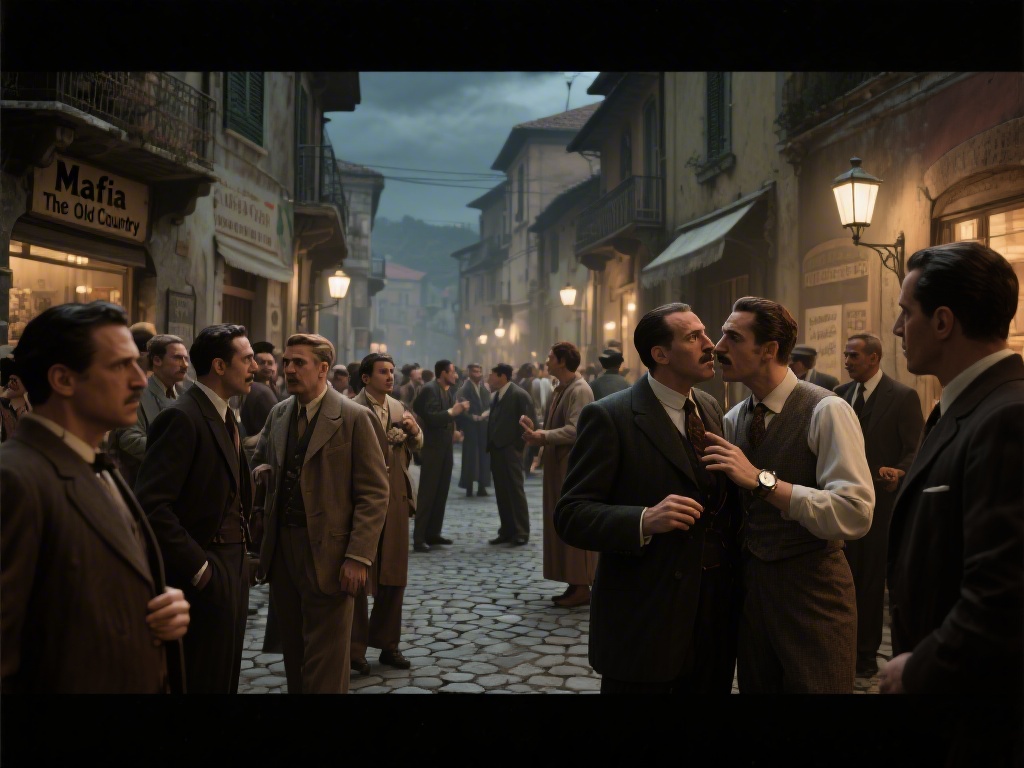
You don’t have to be an art critic to pick up on the most obvious themes in the cover, but the small, easy-to-miss details are where the real storytelling happens. The faded Sicilian village backdrop isn’t just a generic old-world setting—it’s the exact village the protagonist, Vito, left as a child when his family immigrated to the US. The muted, washed-out color palette of the village hints at the nostalgic, complicated relationship he has with his home country, a theme that comes up again and again during late-game story missions.
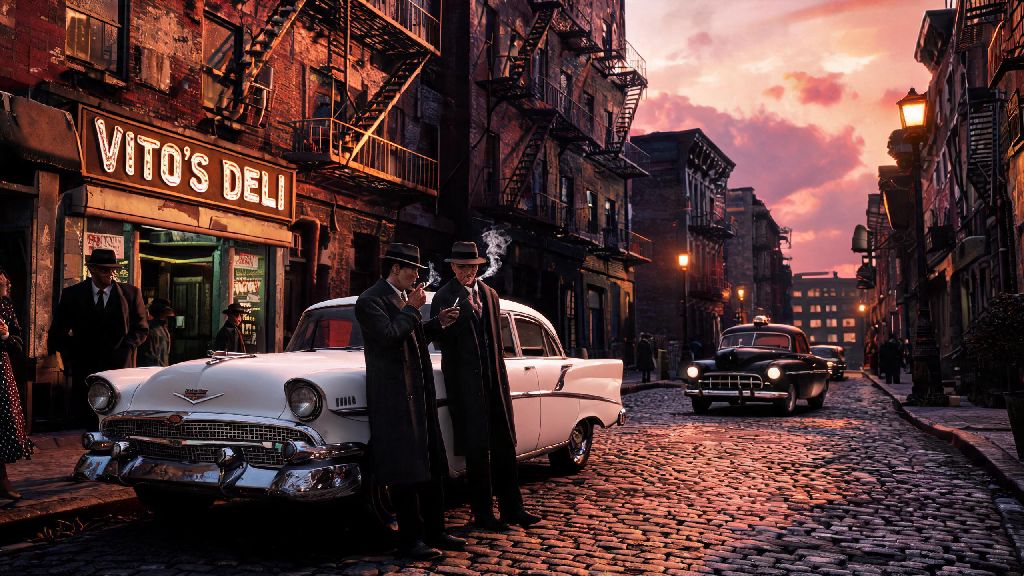
The half-smoked cigar clutched in the protagonist’s left hand is another loaded detail. It’s not just a prop to make him look like a tough mobster—the brand of cigar is the same one his father used to smoke when he was a kid, and the fact that it’s half-burned hints at the unfinished business he has with his family’s past. I didn’t even notice the bruised knuckles on his hand until my third playthrough, when I realized the opening fight ends with him hitting a rival so hard he splits his own knuckle. That tiny detail sets the tone for the entire game’s focus on messy, costly acts of loyalty.
How the Cover Art Teases Unmarked Story Beats
The best part about digging into the cover art is realizing how many major story moments it hints at, long before you ever encounter them in game. For example, there’s a small silver cross peeking out of Vito’s shirt pocket that most players never spot, even after multiple playthroughs. That cross is a gift from his mother, and it becomes a core plot point during the mission where he has to choose between saving his family and following his mob boss’s orders.
The broken wine glass at the bottom edge of the art is another huge spoiler hiding in plain sight. Midway through the game, Vito attends a family feast that’s supposed to end a years-long feud between his crew and a rival Sicilian mob. The feast ends with a shootout, and the first sign of trouble is when a rival enforcer smashes a wine glass to signal the attack. I actually gasped when I made that connection during my second playthrough, because I’d seen that broken glass on the cover a hundred times and never thought twice about it. The group of shadowy men standing just out of focus in the far right of the frame are the rival enforcers from that exact scene, too.
Fan Theories About the Cover Art That Hold Water
Over the years, the Mafia community has come up with hundreds of theories about small details in the cover art, and not all of them are just wild speculation. A few have even been confirmed by former developers, or have enough in-game evidence to be basically canon. These are the three most credible theories I’ve come across:
The most widely accepted theory about the child’s shadow is my personal favorite, because it adds a whole extra layer of motivation to Vito’s actions throughout the game. Every choice he makes is meant to build a better life for his kid, even if he never talks about him openly in the main story. It’s the kind of subtle detail that makes replaying the game feel like a completely new experience once you know it’s there. You’ll start noticing little offhand comments he makes about “taking care of family” that hit completely different with that context.
Tips for Spotting Tiny Cover Art Details You Missed
If you want to dig into the cover art yourself to find details I might have missed, there are a few easy tricks that will make the process way simpler. First, don’t just look at the low-resolution version that pops up on your console home screen or Steam library. Go into the game’s bonus content gallery, where you’ll find a 4K high-resolution version of the cover that lets you zoom in on every tiny corner of the image. I found three new details I’d never seen before when I first pulled up the high-res version last year.
You should also compare the cover art to the promotional art from previous Mafia games to spot recurring motifs the team uses across the franchise. For example, the team always uses cold blue lighting to signal scenes of betrayal or violence, and warm golden lighting for scenes related to family. The cover uses both: the village is bathed in gold, while the street to Vito’s right is lit with cold blue, hinting at the conflict between his family roots and his violent mob life. That balance of light is intentional, and it’s a motif you’ll see repeated across every cutscene in the game.
You can even cross-reference details with in-game collectibles to unlock little lore snippets that tie directly to cover art elements. If you collect all 30 of the vintage family photos scattered across the game’s map, you’ll unlock a developer commentary track that walks through every single detail of the cover art, including a few that no fan has picked up on yet. It’s well worth the 2 or 3 hours it takes to track all the photos down, even if you’re just a casual fan of the franchise. You’ll walk away with a whole new appreciation for how much thought the team put into every part of the game.
At the end of the day, mafia the old country cover art is far more than a marketing asset designed to get you to buy the game. It’s a carefully crafted piece of storytelling that gives you a sneak peek at every major theme, conflict, and twist you’ll encounter during your playthrough. Next time you boot up the game, take 30 seconds to pause on the title screen and look for the little details you missed before. You might be surprised at how much you pick up that you didn’t notice on your first playthrough, and it might even make your next run through the story feel completely new.