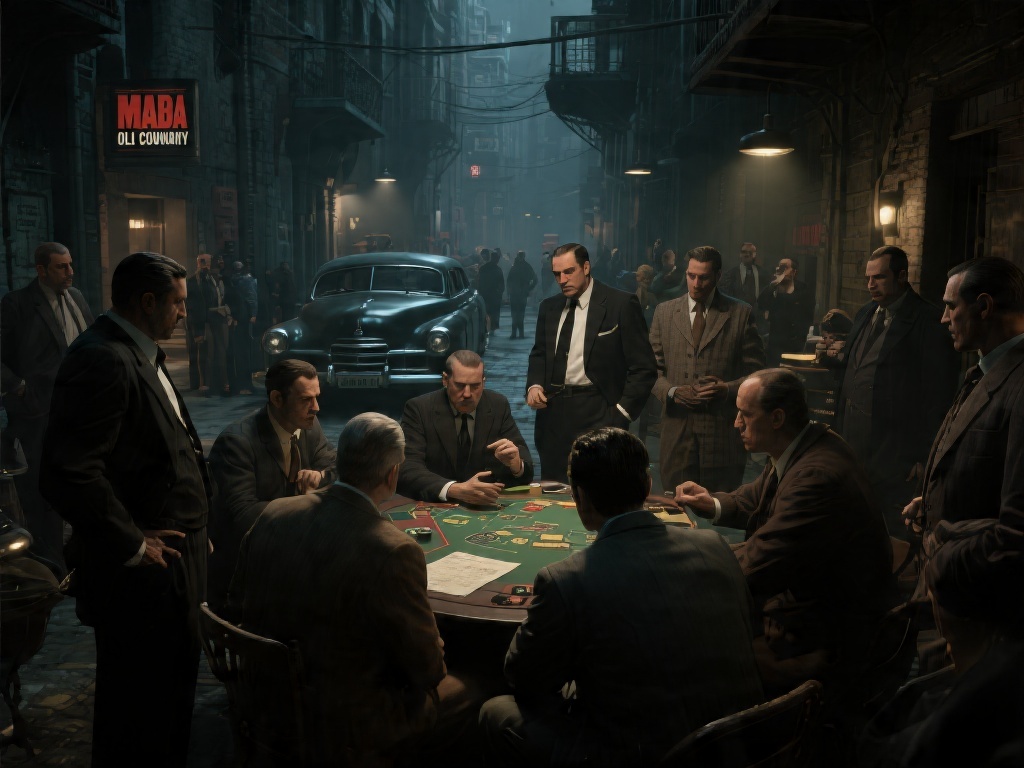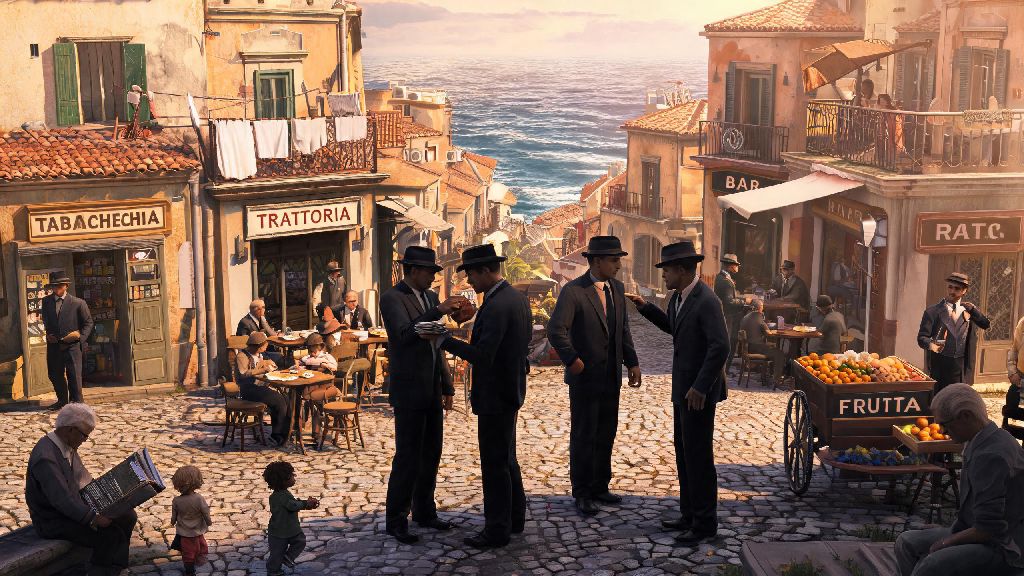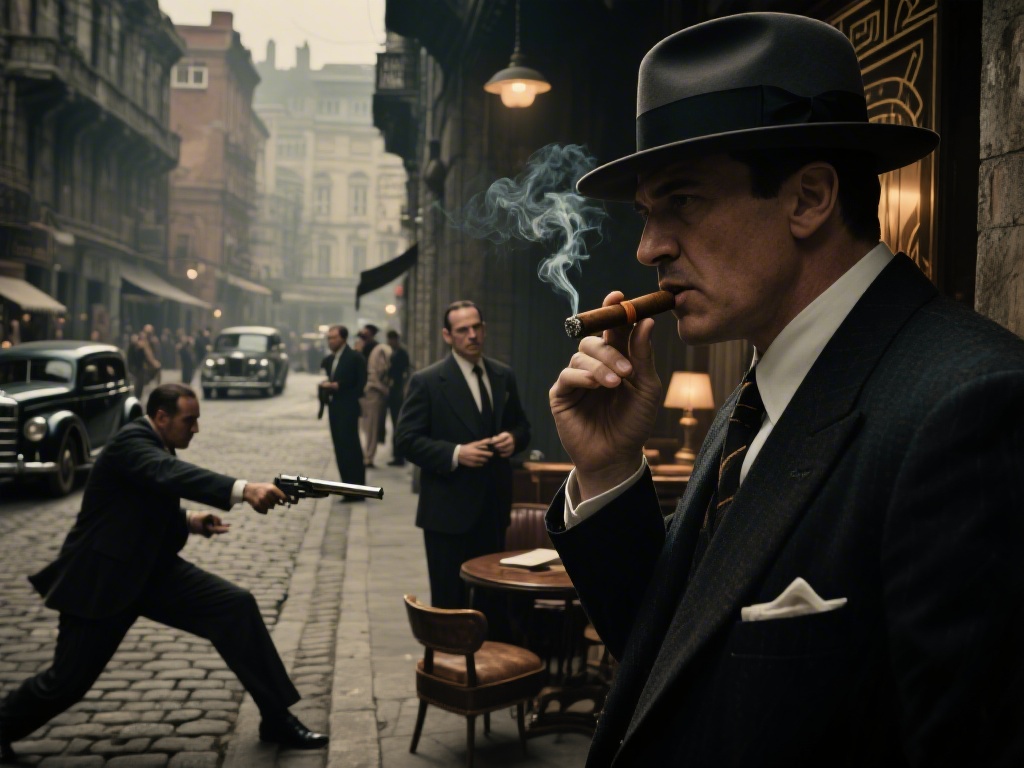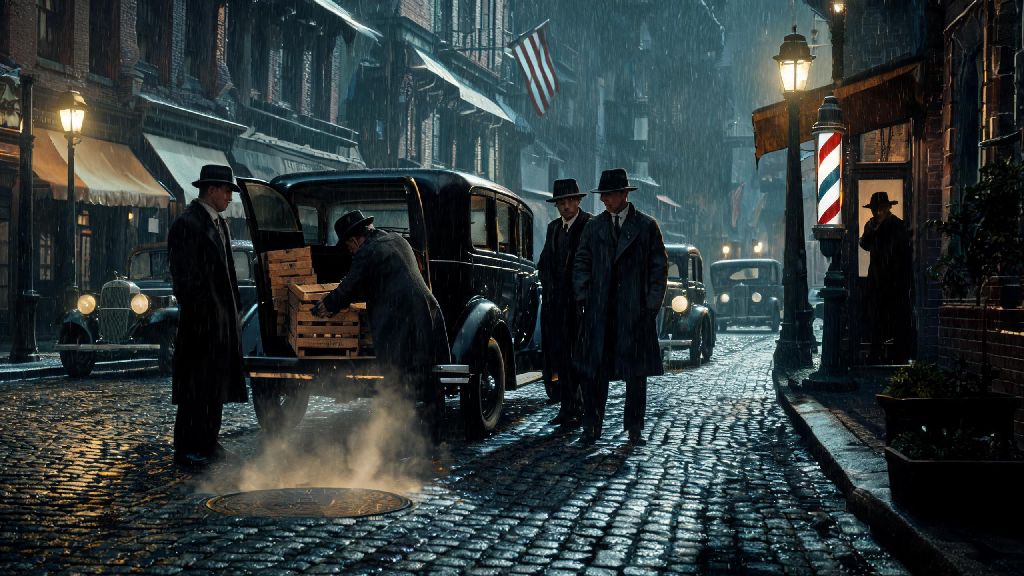
If you’ve spent hours cruising through the rain-slicked streets of 1930s Lost Heaven, getting tangled in Salieri crime family hits and tense bootlegging runs, you’ve probably paused at some point to ask: is mafia the old country based on a true story? The game feels so grounded in its era, from the slang the crew uses to the gritty, unglamorous portrayal of small-time gang life, that it’s easy to assume you’re playing through a forgotten piece of real organized crime history. We’re breaking down exactly what’s pulled from real events, what’s entirely fictional, and why the game feels so authentic even when it’s not retelling a specific true case.
Is Mafia The Old Country Based on a True Story? The Short Answer
The short answer is no, the game is not a direct retelling of a specific real-life crime story, nor are any of its core characters based directly on real people. That said, it is heavily, intentionally inspired by the real history of Italian-American mafia operations in the midwestern United States during the Prohibition and early Great Depression eras. I replayed the game last year, and I caught so many little details that line up with old mafia documentaries I watch on weekends, so it’s no surprise so many fans mix up fact and fiction here.
One of the biggest reasons people ask is mafia the old country based on a true story is how realistic the gang rivalries feel. The dev team didn’t pull their story from a single true case, but they pulled almost all of their worldbuilding details from real historical records, right down to the price of a loaf of bread in 1932 and the specific model of tommy guns used by midwestern gangsters of the era. That commitment to accuracy makes the fictional story feel far more real than many media projects that bill themselves as “based on true events.”
Real Historical Events That Inspired The Game’s Core Plot
Even though the main story is original, you’ll spot dozens of references to real historical events as you play through the campaign. The devs worked with organized crime historians to make sure every major plot beat aligned with the way mafia groups actually operated in the 1930s, and many of the game’s most memorable missions are loose reimaginings of real gangland incidents.
Some of the clearest real historical references include:
Prohibition bootlegging operations are the core of the game’s early conflict, and every detail of those runs lines up with real history, from the border patrol checkpoints to the way gangs marked their liquor crates to avoid police seizure. 1930s midwest small town and city dynamics are also perfectly captured in Lost Heaven, which is a composite of real midwestern industrial hubs like Chicago, Detroit, and Pittsburgh. The sharp divide between the wealthy, tree-lined Oakwood neighborhood and the working-class, immigrant-heavy Little Italy district is exactly the kind of social split that defined midwestern cities of the era.
Mafia code of conduct is another area where the game sticks closely to real history. The rules of omerta (silence), loyalty to the family above all else, and prohibitions on harming civilians or police officers were all strictly enforced by real mafia groups of the era, and breaking those rules carried the same harsh penalties you see in the game.
Key Fictional Choices That Separate The Game From Real History
For all its historical accuracy, the game makes a lot of intentional fictional choices to serve its story, and it’s important to separate those from real history. The most obvious fictional element is Lost Heaven itself, a completely fictional city designed to give the devs full creative freedom without being tied to the specific layout or history of a real midwestern city. You won’t find Lost Heaven on any 1930s US map, but you’ll recognize bits of dozens of real cities in its design.
The Salieri and Morello crime families are entirely made up, too. There were small-time gangsters with those last names operating in New York City in the 1930s, but there was never a major midwestern mafia war between two families led by men with those names. The devs chose to make the families fictional so they could write their own conflict without being tied to real life events that most mafia history fans already know the ending to. I think that’s a smart call, honestly. If they’d used real families, the big plot twists would have been obvious to anyone who’s read a book about 1930s mafia history.
Tommy Angelo’s entire personal story is original, too. There is no record of a former taxi driver turned made man turned federal informant named Tommy Angelo operating in the midwest in the 1930s, though his story arc is very common for low-level gangsters of the era. Hundreds of young immigrant men got pulled into mafia work during the Great Depression because it was one of the only ways to make a steady living, and many of them ended up turning on their families when they realized the life wasn’t what they’d signed up for.
How The Devs Built Authenticity Without Relying On A True Story
The dev team knew fans would ask is mafia the old country based on a true story, so they prioritized historical accuracy even for small, easy-to-miss details to make the world feel as real as possible. They consulted former FBI agents who specialized in organized crime cases, as well as historians who study 1930s midwestern life, to make sure every part of the game felt true to the era.
Every vehicle, clothing item, and building design in the game is based on real 1930s references, no exceptions. The team pored over thousands of old photos, newspaper clippings, and even home videos from the era to make sure even minor details, like the design of street signs or the brands of soda sold at corner stores, were accurate. That attention to detail is why walking through Lost Heaven feels like stepping into a time machine, even if the city itself isn’t real.
Dialogue and gang interactions are pulled from real wiretaps and witness statements from 1930s mafia cases, too. The slang the characters use, the way they negotiate deals, even the small rituals they follow during family dinners are all pulled directly from real records. It’s far more accurate than most Hollywood mafia movies, which often exaggerate gang life for dramatic effect.
You don’t have to look hard to find the care that went into the game’s worldbuilding. Even the radio stations play real songs that were popular in the 1930s, and the news segments that air between songs reference real events from the era, like the Great Depression and the rise of fascism in Europe. Those small details add up to make the fictional story feel far more immersive than a direct retelling of a true story ever could.
At the end of the day, if you’ve been asking is mafia the old country based on a true story, you now know it’s a perfect balance of heavy historical inspiration and original fictional storytelling. That balance is exactly what makes the game such a beloved classic almost 20 years after its first release. It feels real enough to teach you something about what life was like for low-level gangsters in the 1930s, but fictional enough to deliver a surprising, emotionally impactful story that doesn’t feel like every other mafia movie you’ve ever seen. If you loved the game’s vibe, try checking out documentaries about 1930s midwestern mafia next time you’re looking for something to watch – you’ll spot so many little references you missed during your playthrough.